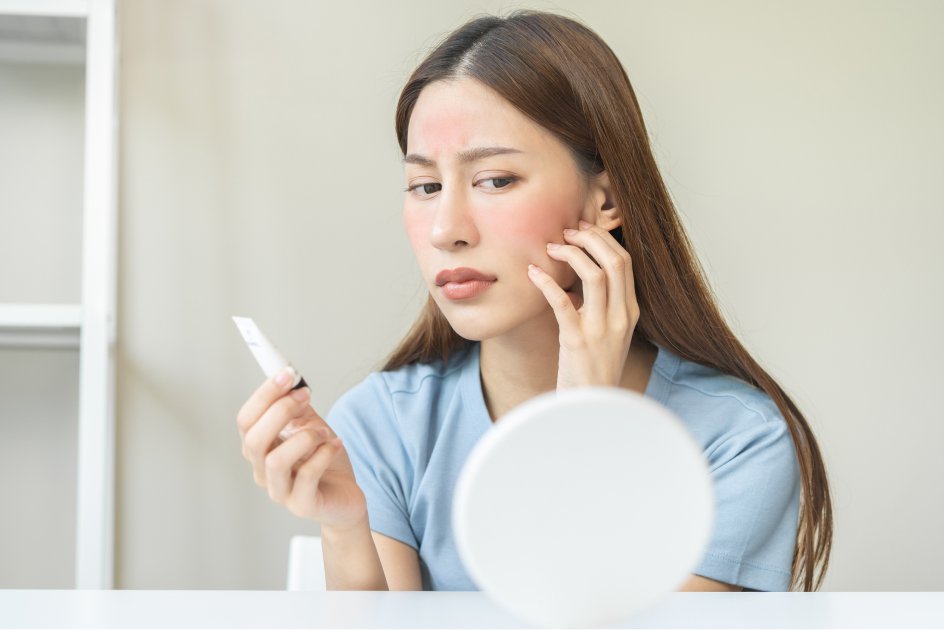
Our skin is our body’s first line of defense. As our largest organ, it protects us from bacteria, communicates information about our environment, and keeps everything beneath the surface safe.[1] With all that it does for us, it can feel frustrating when it reacts—seemingly out of nowhere—to certain products or environmental stressors.
But how do you know if you have sensitive skin, and what can you do about it? If you’ve ever felt like your face was on fire after applying a drugstore sheet mask, noticed you needed to take sun protection more seriously than most, or experienced razor burn after even the most careful shave, these are all signs of sensitive skin.
Sensitive skin isn’t a flaw. It just means your skin needs a little extra care and attention. Understanding how to care for it starts with learning how to know if you have sensitive skin—and then, beginning to find strength in that sensitivity.
What is sensitive skin?
Ever try a cleanser a friend swears by, only to feel your face start to tingle, turn red, or itch within minutes? These are telltale signs of skin sensitivity. But what does sensitive skin look like, and how do you know if you have it?
Sensitive skin isn’t a diagnosis so much as a pattern. It means your skin reacts more easily than most to certain triggers, whether it’s ingredients in your skin care, weather changes, or even stress. These reactions can vary from person to person, but they often include discomfort, inflammation, or visible changes such as redness and dryness.[2]
It’s important to distinguish between sensitive skin and a temporary reaction. Anyone’s skin can freak out after a long day in the sun or from using an overly harsh exfoliator. But truly sensitive skin tends to be more reactive regularly, even with gentle products or mild weather.2
Some of the most common signs of sensitive skin include:[3]
- Reacts quickly to environmental or product changes
- Often feels uncomfortable or irritated, even with mild triggers
- Requires extra care and attention to maintain comfort and balance
The good news is that once you learn how to tell if you have sensitive skin, it’s not difficult to manage.
6 common symptoms of sensitive skin
If you’re wondering, “Do I have sensitive skin?” you’re not alone. Sensitive skin doesn’t have one “look,” after all. Sometimes, it just feels off, like your skin is trying to tell you something. Here are six of the most common symptoms of sensitive skin:
1. Redness and blotchiness
One of the most obvious signs, redness often shows up across the cheeks, nose, or forehead, especially after the application of certain products or time spent outside. It may come and go or feel constant, and it’s often accompanied by a feeling of warmth or tightness.[4]
2. Dryness and flaking
Sensitive skin often struggles to hold onto moisture, leading to rough patches or visible flaking. You might find your skin looks dull or feels tight, even after moisturizing.4
3. Prone to itching and discomfort
That persistent, itchy feeling is your skin signaling distress. Sensitive skin often feels prickly or irritated without a clear cause, such as after washing your face or during dry weather.4
4. Stinging or burning sensation
If you’ve ever applied a product and felt an immediate sting or burn, that’s a classic sensitive skin reaction. It’s especially common with active ingredients such as acids, retinoids, or even certain natural extracts.4
5. Breakouts or rashes
Sensitive skin can sometimes react with small bumps, hives, or pimple-like breakouts, even if you don’t typically have blemishes. These aren’t always clogged pores; they may be a sign of inflammation or irritation.4
6. Reactive to skincare products
If trying new skincare feels like walking through a minefield, you’re not alone. Many people with sensitive skin find that even so-called “gentle” products can cause unexpected reactions. This is why patch testing new products is so important, especially if you think your skin is prone to adverse reactions.4
Types of sensitive skin
Sensitivity doesn’t always arise from the same source. Understanding why your skin reacts the way it does is the first step to calming and caring for it. Here are the most common types of sensitive skin:
Naturally sensitive skin
Some people are simply born with more reactive skin. If you’ve had sensitivity since childhood or have conditions such as rosacea, eczema, or atopic dermatitis, your skin’s protective barrier may be genetically thinner or more easily inflamed.[5] This type of sensitivity tends to be long-term and may flare up at certain times, such as during hormonal changes, seasonal shifts, or high-stress periods.[6]
Environmentally sensitive skin
External elements can wreak havoc on even the most resilient skin, but if yours is sensitive, the impact can be instantaneous. Environmental stressors such as sun exposure, cold wind, dry indoor heat, or air pollution. These environmental stressors can strip your skin of moisture and trigger inflammation, making your skin feel tight, itchy, or irritated.5
Reactive skin
This type of sensitivity develops because of reactions to specific ingredients or product combinations.
Some of the most common triggers include:5
- Fragrance
- Alcohols
- Preservatives
- Essential oils
- Strong actives such as exfoliating acids
Reactive sensitivity can develop over time—especially if the skin barrier becomes compromised—and may come and go depending on your routine and skin condition.5
Common triggers
You’re not imagining it; sometimes, it feels like everything can set off your skin. But once you start tracking your skin’s behavior, patterns begin to emerge. Pro tip: keep a skin care journal for a couple of weeks. Jot down what you eat, use on your skin, and experience (weather, stress, sleep). You may start seeing patterns you never expected.
To get your gears turning, consider some of these common culprits behind sensitive skin flare-ups:
- Harsh ingredients: Sulfates, synthetic fragrances, alcohols, and strong acids can overwhelm sensitive skin. Even some natural ingredients, such as peppermint oil or citrus extracts, can trigger stinging or redness. Using too many products at once can also be irritating.[7]
- Environmental factors: Sun, wind, extreme temperatures, and dry indoor air can strip your skin of moisture and disrupt its balance.5
- Stress: Emotional stress increases cortisol, which can lead to inflammation and flare-ups.[8]
- Diet: Spicy foods, alcohol, dairy, and certain additives may contribute to inflammation or sensitivity, especially in reactive skin types.[9]
- Lack of moisture: When your skin barrier is dry or compromised, it’s more prone to irritation. Hydration helps reinforce your skin’s natural defenses.[10]
How to manage sensitive skin
Managing sensitive skin doesn’t mean you have to tiptoe through your skincare routine forever. What it does mean is learning how to listen to your skin and give it what it needs. A little consistency, a few smart habits, and some expert guidance can go a long way.
Patch test everything
If you have sensitive skin, patch testing should always be step one. Apply a small amount of a new product on a discreet area (such as behind your ear or on your jawline) and wait 24 to 48 hours. If there’s no redness, stinging, or irritation, you’re likely in the clear.
Look for gentle formulas
Skip the drama and choose cleansers and moisturizers that are fragrance-free, alcohol-free, and formulated with sensitive skin in mind. Ingredients such as ceramides, hyaluronic acid, and aloe can help calm and hydrate sensitive skin.[11] [12]
Not sure where to start? Adrianne Lackey, Skin Care Innovation Manager with Massage Envy Franchising, recommends Marini SkinSolutions® Age Intervention® Gentle Cleanser and Face Cream, or a daily moisturizer such as PCA SKIN® ReBalance
Stick to minimal ingredients
The shorter the ingredient list, the easier it is to identify what works and what doesn’t. Avoid layering too many actives or trying five new products at once. Try the PCA SKIN® Dual Action Redness Relief, PCA SKIN® Retinol Treatment for Sensitive Skin, or Marini SkinSolutions® RosaLieve® Redness Reducing Complex for simple, targeted skincare approaches, says Adrianne.
Hydrate inside and out
Moisture is essential to keeping your skin barrier healthy. Use a gentle, nourishing moisturizer morning and night, and drink plenty of water throughout the day. Even mild dehydration can make sensitive skin feel tight and uncomfortable.
Work with a pro
Sensitive skin deserves expert support. A professional esthetician can help you understand your skin’s triggers and recommend advanced treatments that calm and protect. For best results, aim for a facial every 4 to 6 weeks.
Your sensitive skin routine starts at Massage Envy
Having sensitive skin shouldn’t feel difficult. At a Massage Envy franchised location, you’ll find facials focused on specific skin concerns and advanced skin care treatment for every skin type. That includes skin services that can be customized for sensitive skin.
Estheticians at most Massage Envy franchised locations are trained to recognize the nuances of sensitive skin and craft gentle, personalized facials that focus on what your skin needs. And with the thoughtfully designed Calming Facial and Calming Nourishing Light Treatment, supporting your skin’s natural balance without overwhelm or guesswork is easier than ever.
Still wondering “Do I have sensitive skin?” Take the Skin Care Quiz for even more help pinpointing your skin type.
Stop stressing over sensitive skin. Make an appointment—or better yet, become a member—at a Massage Envy franchised location near you today.